

Latest articles by Robin Grow
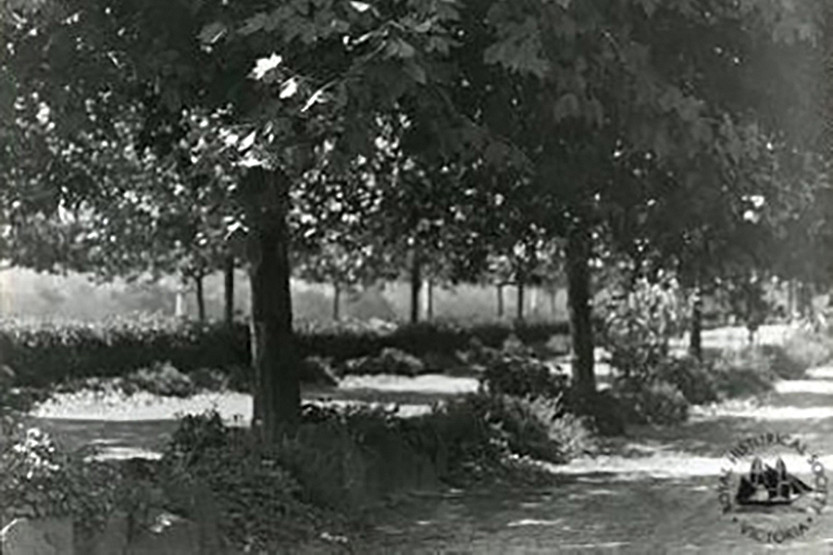
The history of “the Tan”
One of the treasures of Southbank is the Tan, a track that winds along the edge of the suburb for about four kilometres.
Read More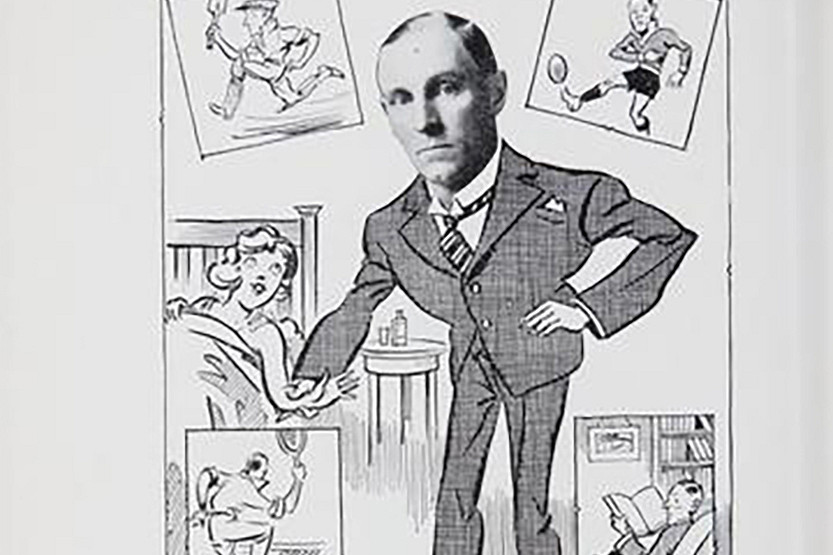
Roy Park – a community legend
Few locals had the impact on the community in South Melbourne displayed by Dr Roy Park who practised medicine in Cecil St. He was an outstanding doctor, a war veteran, champion league footballer, and a State and (briefly) a Test cricketer.
Read More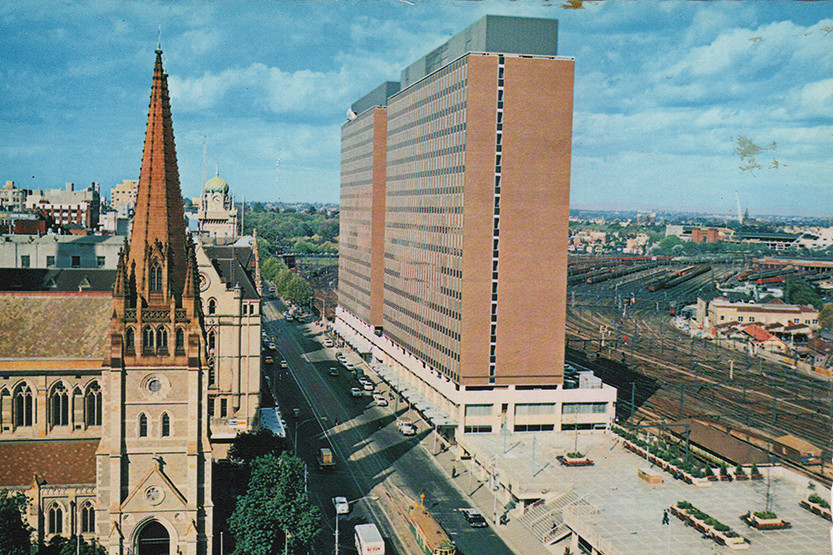
Most hated building in Melbourne: Princes Gate Towers
On the edge of the city (above Princes Gate railway station) stood the Princes Gate towers, commonly referred to as the Gas and Fuel building after its major tenant.
Read More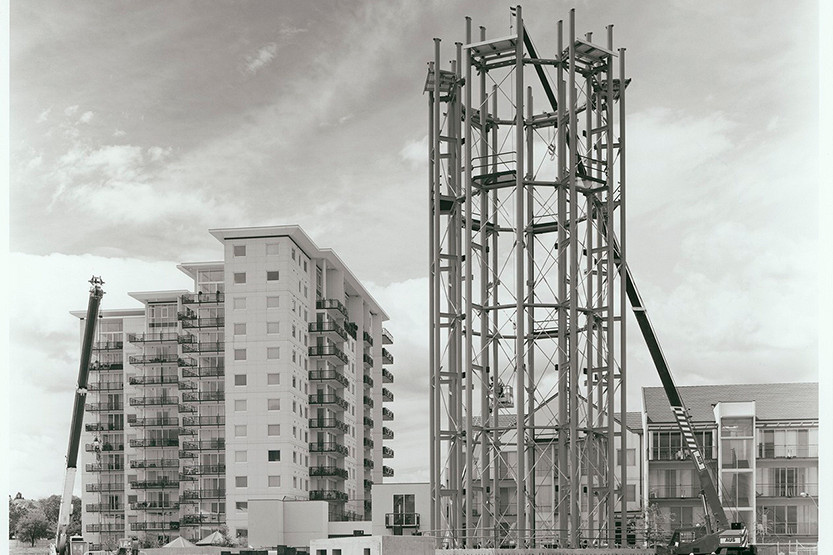
Letting the fumes out at Southbank!
One of the most distinctive structures in Southbank sits in the small park along Grant St, next to the yellow Vault sculpture, itself a work of renown for the district. But it is not a dwelling – it’s a ventilation stack to release the fumes from the freeway that runs beneath.
Read More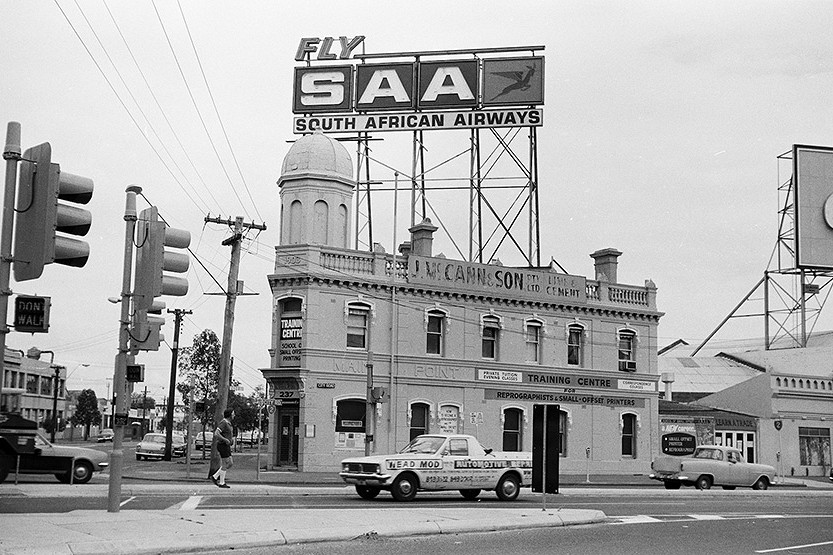
Mapping Southbank
In the years from 1970 to 1974, people in South Melbourne became used to seeing men in the rear cab of a ute with a large camera taking photos of the houses and other buildings that made up the streetscape.
Read More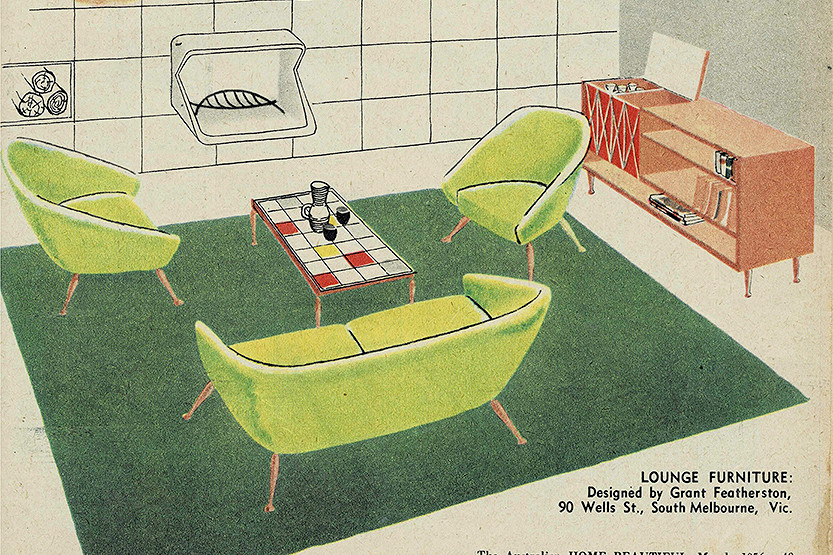
Designing in Southbank
One of the many stylish blocks of apartments in Southbank is situated on Wells St. Unusually, the four-storey block in a garden setting runs through to Dodds St, at the rear of the Malthouse.
Read More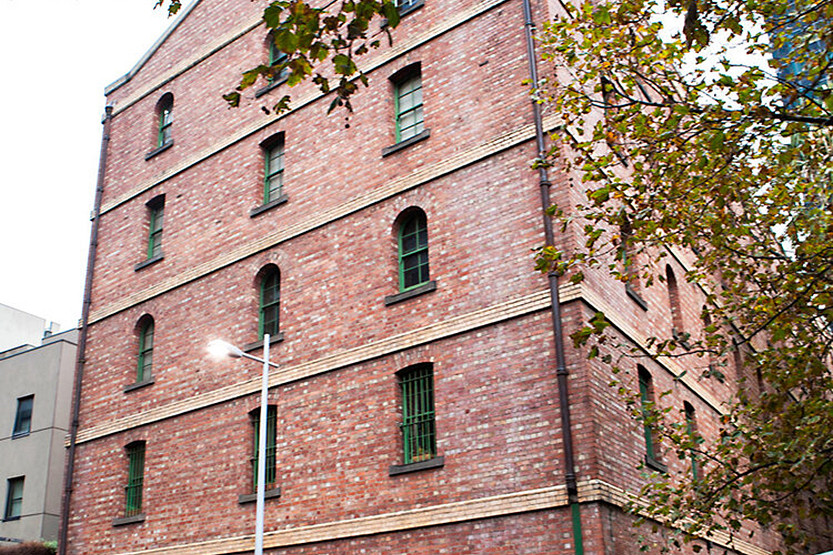
Bond Store, Southbank
In an area that contains numerous cafes, the Bond Store in Southbank, located at 1 Riverside Quay near to Eureka Tower and Freshwater Place, is one of the oldest coffee shops.
Read More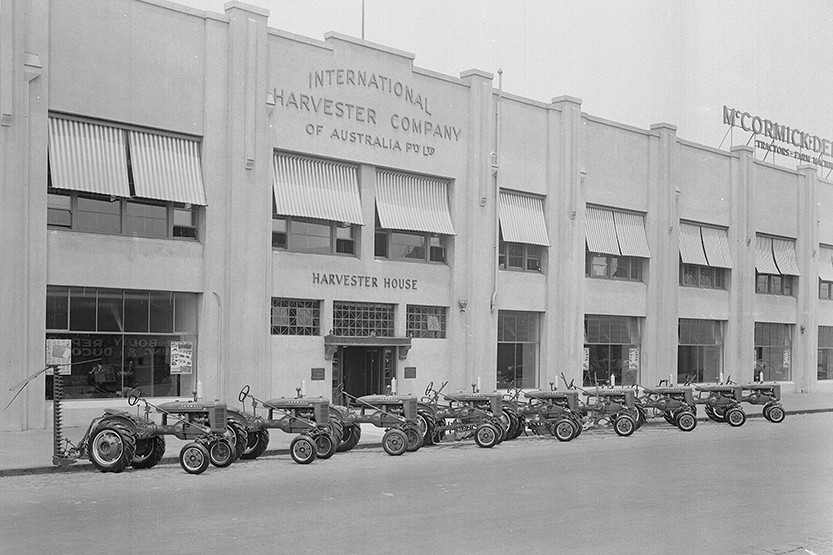
Tractors lined up in South Melbourne
This iconic image shows a line-up of International Harvester (IH) tractors lined up outside Harvester House in City Rd, South Melbourne in 1941.
Read More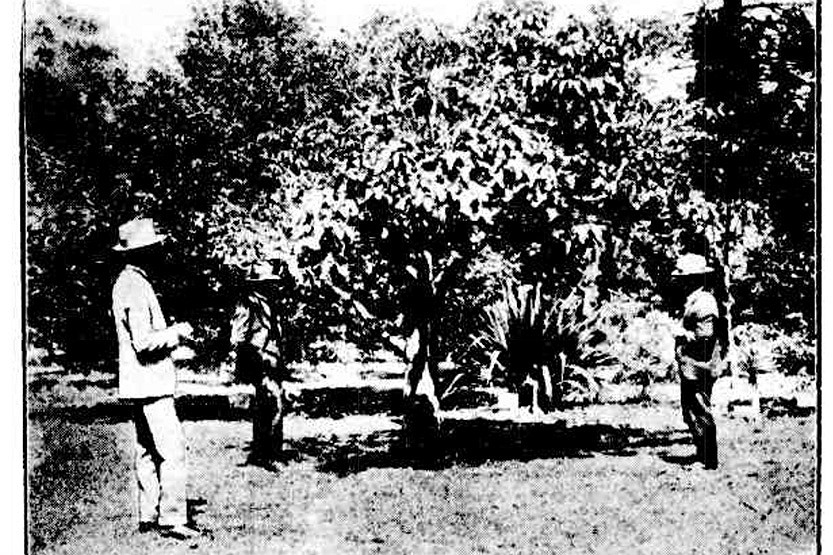
Massacre in Botanic Gardens, January 1924
The Botanic Gardens are treasured by residents of nearby Southbank, but they haven’t always been peaceful. In the previous decade to 1924 the world was in turmoil, suffering the Great War and the Spanish Flu. But chaos was giving way to order.
Read More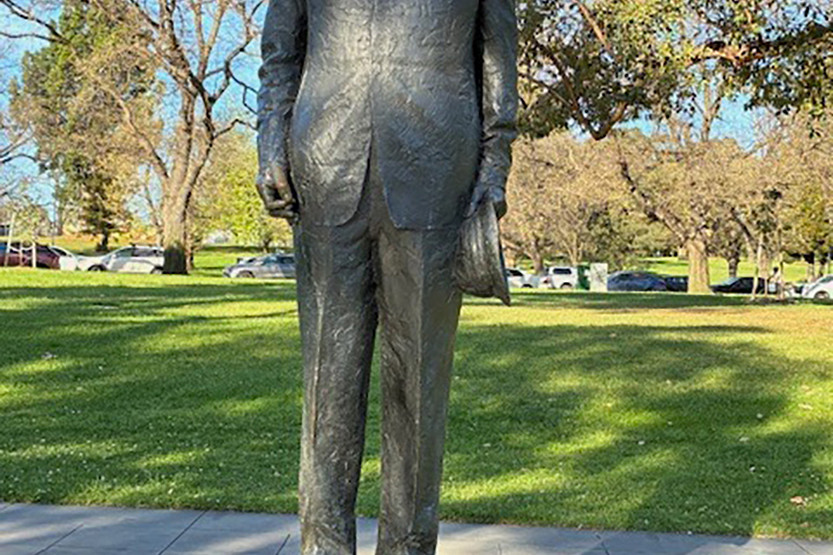
The remarkable life of Edward “Weary” Dunlop
Among the many statues in Kings Domain is one dedicated to Sir Edward Dunlop.
Read More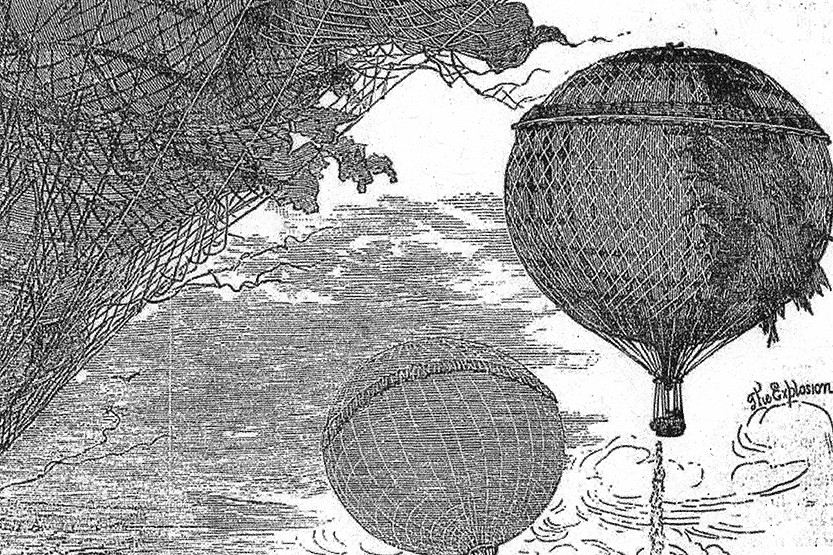
Up and away over Southbank
People who live in Southbank are used to seeing hot air balloons in the early morning, with up to eight at a time. Each balloon holds about four people who start the day at dawn.
Read More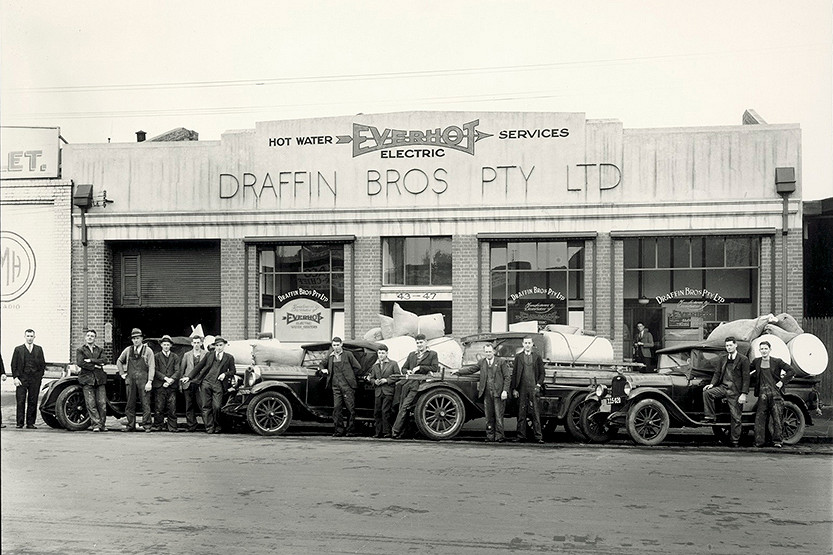
Hot water in Southbank
In the 1920s City Rd in South Melbourne was coming into favour with firms in search of sites for warehouses and industrial enterprises, and it became a major thoroughfare after World War One largely due to its proximity to the city.
Read More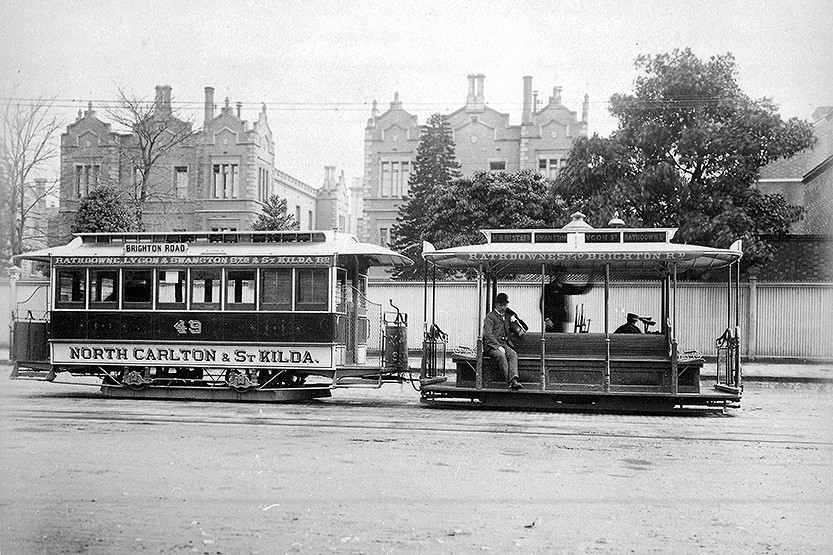
“Hold on while rounding the curve”
The Melbourne cable tramway system was a cable pulled tram public transport system that operated between 1885 and 1940.
Read More
“Rough on Rats” in Southbank
The combination of a river location servicing numerous ships (many from Europe), large warehouses, and heavily used drains meant that the area now known as Southbank was a haven for rats in the 19th century.
Read More
Eleanor Roosevelt comes to Melbourne and Southbank
In 1943, during World War Two, Eleanor Roosevelt (wife of the then US President Franklin D. Roosevelt) undertook a long, dangerous and arduous trip across the South Pacific, heading to Australia.
Read More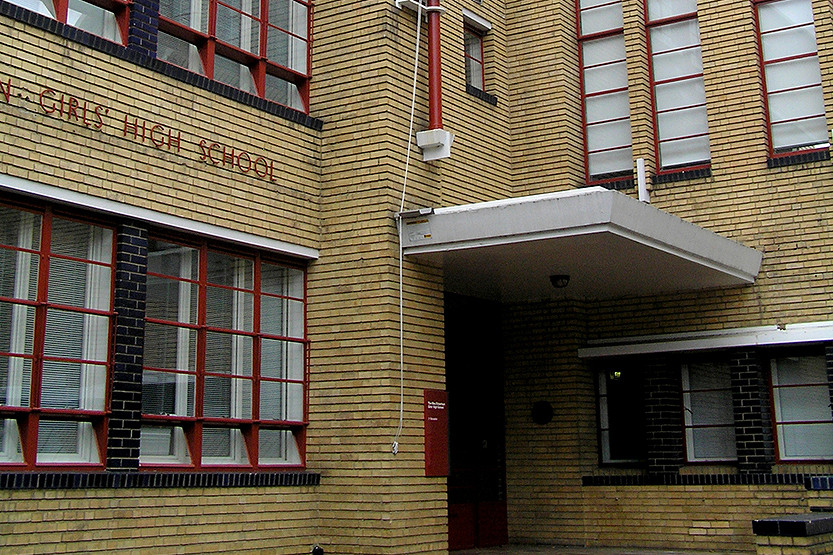
Mac.Robertson Girls High School – corner Kings Way and Albert Rd
On the fringe of Southbank stands Mac.Robertson Girls High school, Victoria’s premier girls’ high school.
Read More
Boer War Memorial, St Kilda Rd
When Australia became a nation in 1900 the new country was already embroiled in war. For some time, the southern tip of Africa had been shared between British colonies and independent republics of Dutch–Afrikaner settlers, known as Boers.
Read More
The Tea House, Southbank
Perhaps the largest and tallest building from the 19th century in Southbank is the Robur Tea House in Clarendon Street.
Read More
Kraft cheese and Vegemite!
Few foods have had the impact on the tastes of Australian society as Kraft cheese and Vegemite – and they were both manufactured in what is now Southbank at the Kraft factory in Riverside Drive.
Read More
In the mail!
One of the major changes resulting from new technology in the past decade is the massive reduction of mail by post.
Read More